
Different locations
Lymphoedema can affect limbs and other areas of the body, depending on the individual and underlying cause.
Understanding Lymphoedema
Lymphoedema is a long-term, progressive condition that causes swelling in the body's tissues when the lymphatic system is damaged or unable to drain fluid effectively. It can affect almost any part of the body and may cause discomfort, heaviness, reduced mobility, skin changes and a greater risk of infection. For many people, lymphoedema also has a wider impact on daily life, confidence, clothing choices, work, relationships and emotional wellbeing, often requiring ongoing management such as compression, skin care, exercise and monitoring to help control symptoms and reduce complications.
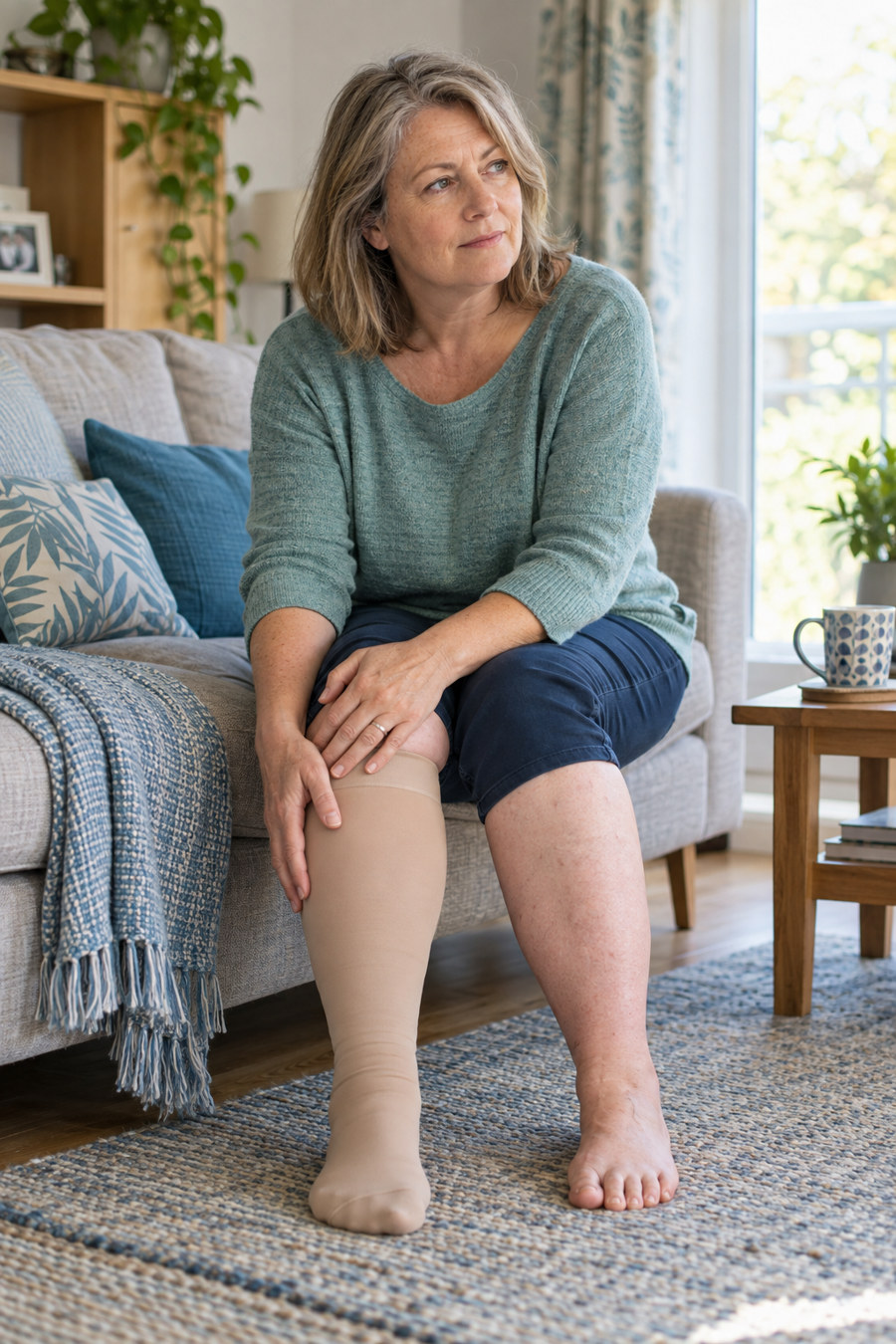
Lymphoedema can affect different parts of the body and can vary considerably from one person to another.
For some people it may affect mobility, comfort, clothing, the need to wear compression garments, skin care or everyday activities.
The way lymphoedema affects one person may therefore be very different from the way it affects somebody else.
Lymphoedema is not always visible or well understood.
A person may need additional time, consideration or assistance even when their condition is not immediately obvious.
Symptoms can also change from day to day. Swelling, discomfort, fatigue or the effects of compression garments may make some activities more difficult at certain times than at others.
Understanding this can help avoid assumptions and make it easier to offer appropriate support when it is needed.
LymphAware ID does not assume that everyone living with lymphoedema has the same needs or experiences.
Lymphoedema can affect limbs and other areas of the body, depending on the individual and underlying cause.
Some people may use compression garments, require assistance with mobility or have other practical considerations.
Symptoms, treatment needs and day-to-day impact can vary significantly, which is why patient-selected information is important.
Complications of lymphoedema
Cellulitis is a bacterial infection of the deeper layers of the skin. People living with lymphoedema are more vulnerable to it, and prompt treatment is important if an episode is suspected.
Changes can include skin becoming painful, hot or more swollen, with redness or inflammation. Redness may be less obvious on brown or black skin.
Some people also feel generally unwell or develop flu-like symptoms, a raised temperature, or feel hot, cold or shivery.
If skin becomes painful, hot and swollen, seek urgent medical advice from a GP or NHS 111.
Good skin care can help reduce the chance of bacteria entering through damaged or cracked skin. Keep the skin clean and moisturised and look out for cuts, scratches, bites or other damage.
Clean and protect minor skin injuries promptly, try to avoid cuts and insect bites, wear suitable footwear or protective gloves where appropriate, and treat fungal skin infections such as athlete's foot.
Cellulitis cannot always be prevented, but protecting the skin and responding quickly to signs of infection can help reduce risk and complications.
Understanding lymph flow
What is sometimes called the “shallow” system is usually described clinically as the superficial lymphatic system. The deep fascia—the strong sheet of connective tissue around muscles—is the landmark that separates it from the deep system.
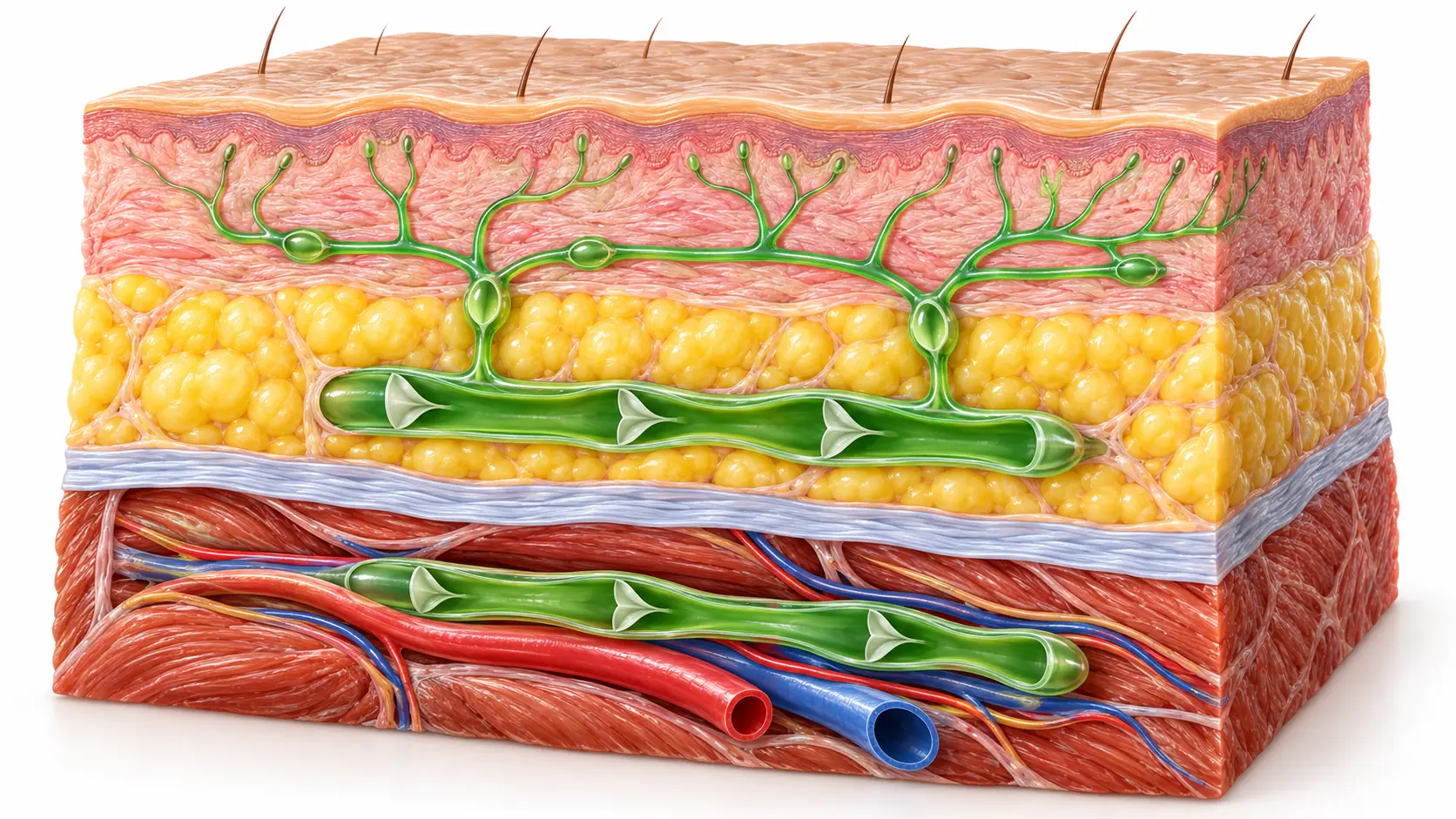
Tiny lymph capillaries begin in the skin. They take up excess tissue fluid, proteins and immune cells, then pass the lymph into precollectors and larger collecting vessels in the subcutaneous tissue.
This is the system most closely associated with the swelling seen in peripheral lymphoedema. Its collecting vessels contain one-way valves and muscle in their walls, helping lymph move forwards in small sections.
Gentle skin movement used in manual or simple lymphatic drainage is designed to support this superficial system. The direction and suitability should be assessed and taught by a lymphoedema specialist.
Deep lymphatic vessels drain structures such as muscles and joints. They commonly travel beside the deeper arteries and veins rather than immediately beneath the skin.
Movement of muscles and joints changes pressure around these vessels. Breathing also changes pressure within the chest and abdomen, while pulsation from nearby arteries and the vessels’ own contractions can help propel lymph.
Deep lymph flow is therefore supported chiefly by normal body movement and changing internal pressures—not by applying forceful massage from the outside.
How lymphoedema can progress
Lymphoedema is commonly described using four clinical stages, from Stage 0 to Stage 3. The stages describe changes in swelling and the tissues over time, but the condition can affect people very differently and does not always progress in the same way.
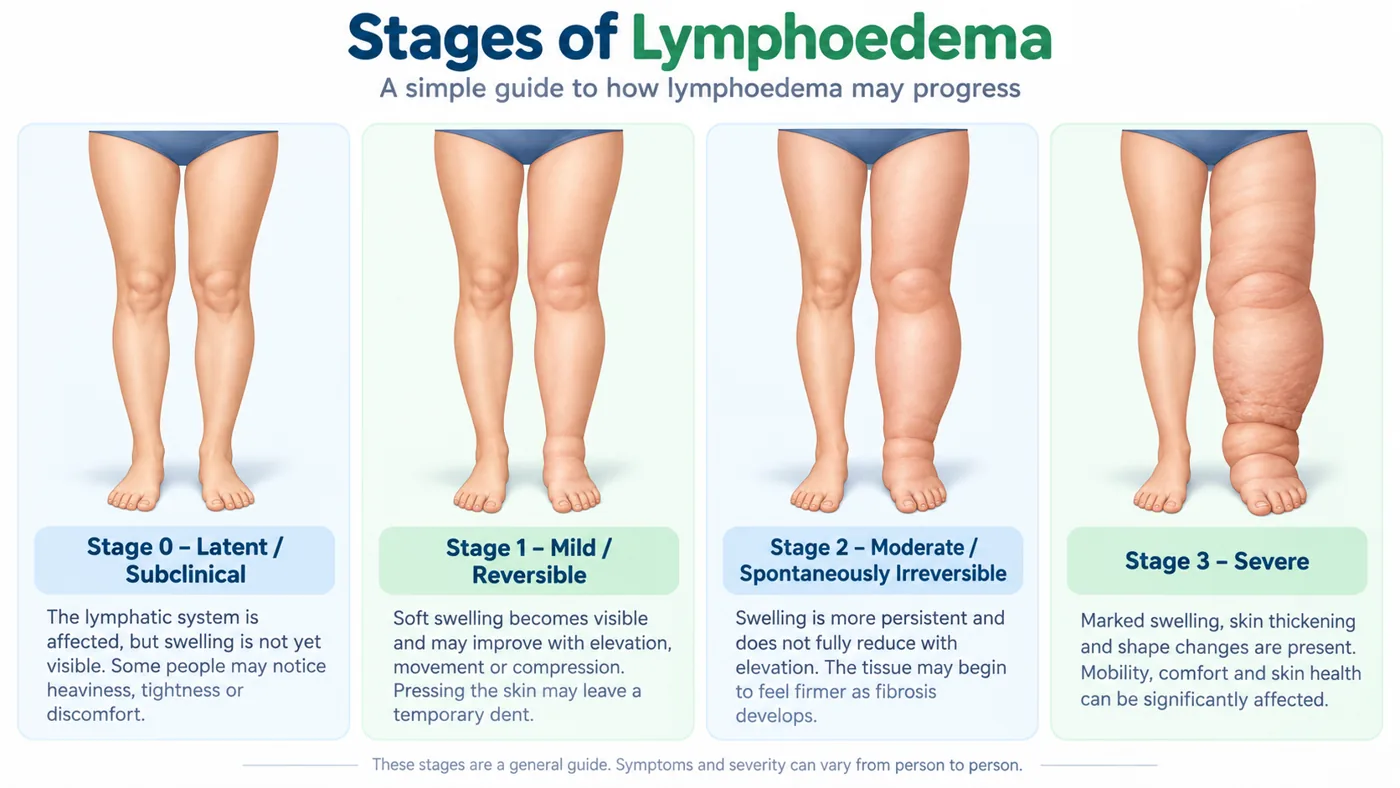
Important: these stages are a general guide rather than a prediction of what will happen to an individual. Lymphoedema may affect different parts of the body, and symptoms and severity can vary considerably from person to person.
Living with lymphoedema
Looking after lymphoedema often means combining several approaches. A lymphoedema specialist can help you choose what is appropriate for your body and your needs.
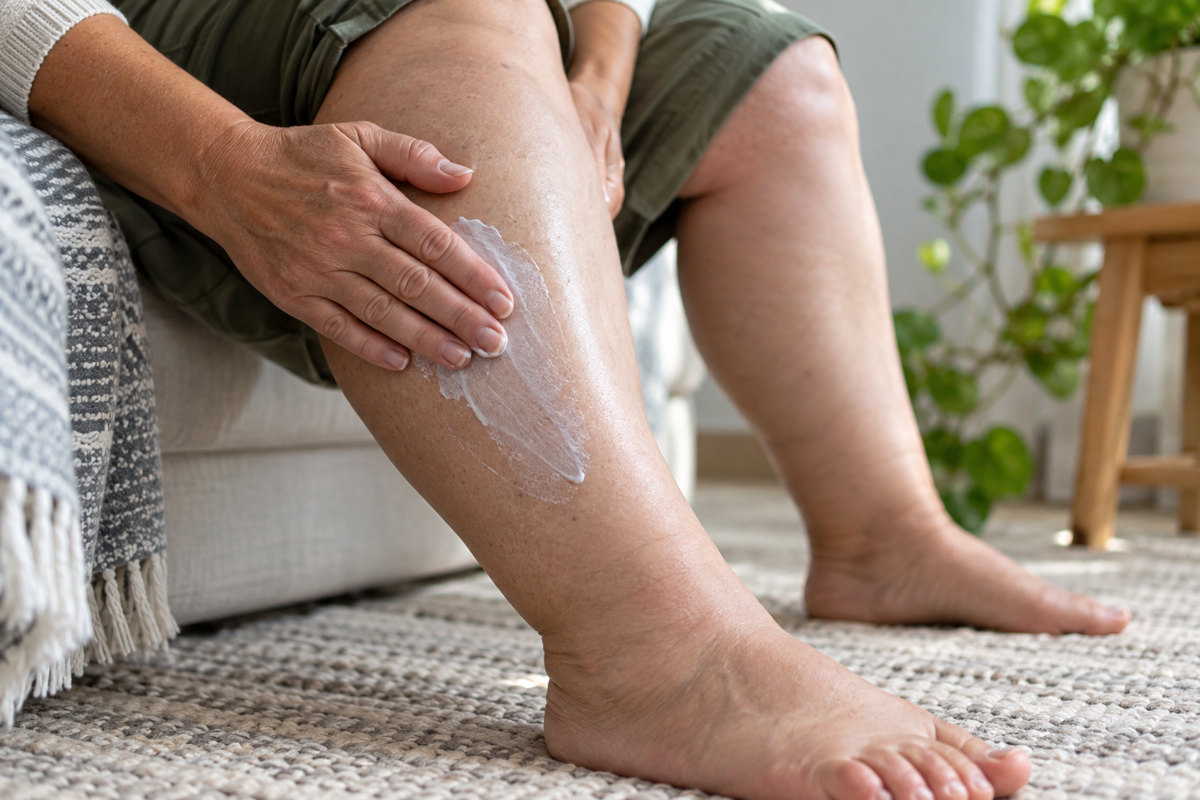
Keep skin clean and moisturised, and check for cuts or changes. Healthy skin helps reduce the risk of infection, including cellulitis.
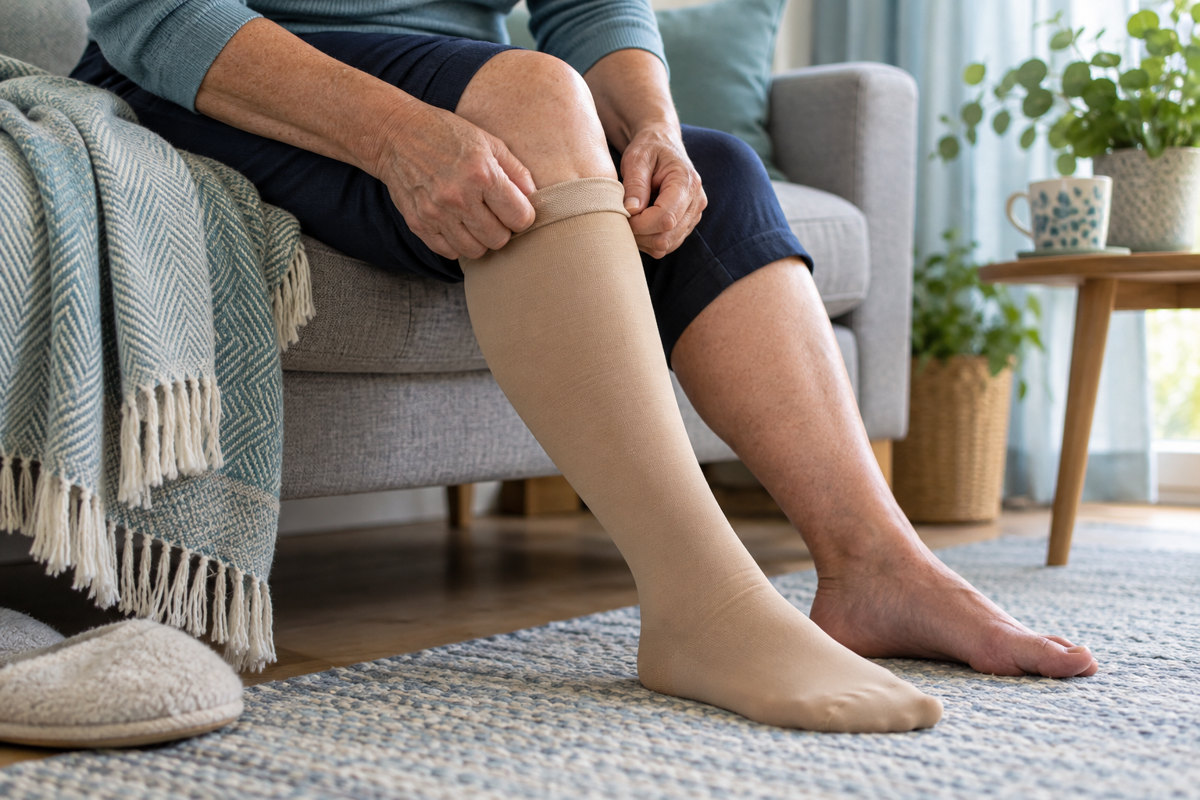
Professionally fitted garments or wraps can help limit fluid build-up. Your specialist can advise on the right type and how to wear it.
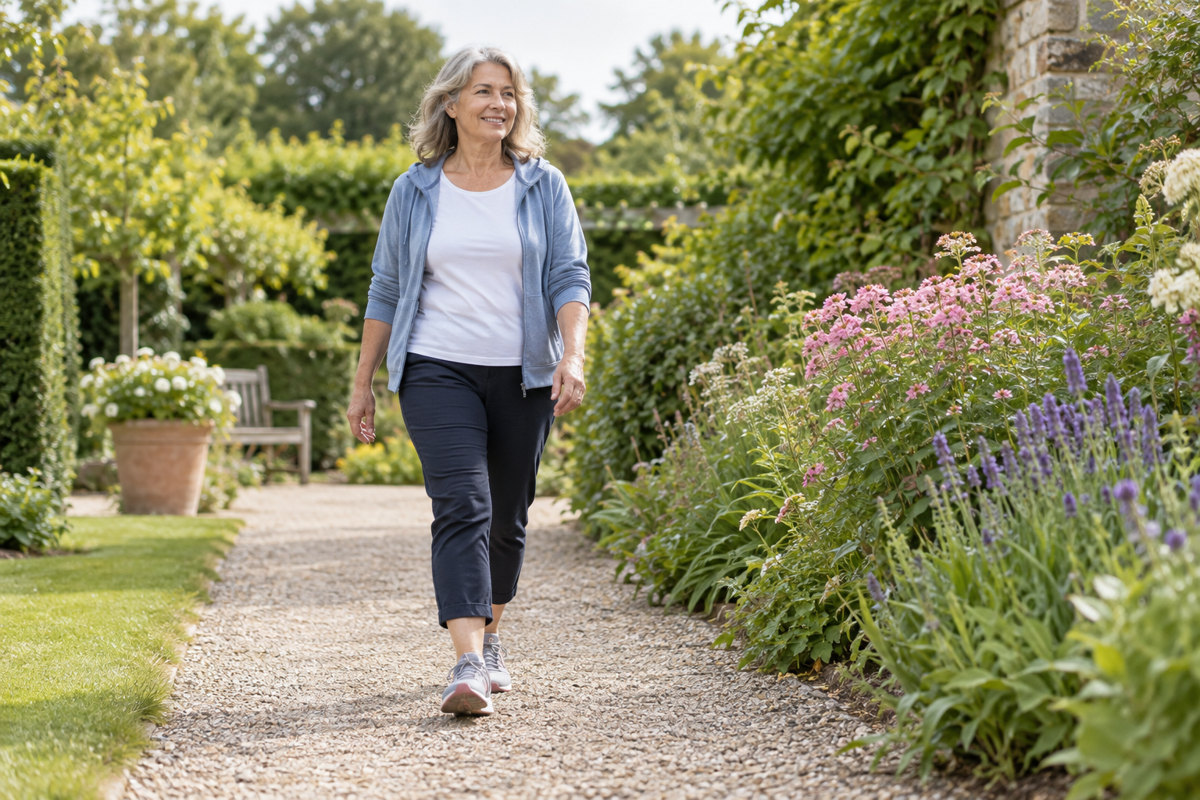
Gentle, regular movement uses your muscles to support lymph flow and mobility. Activities can be adapted to your ability and affected area.
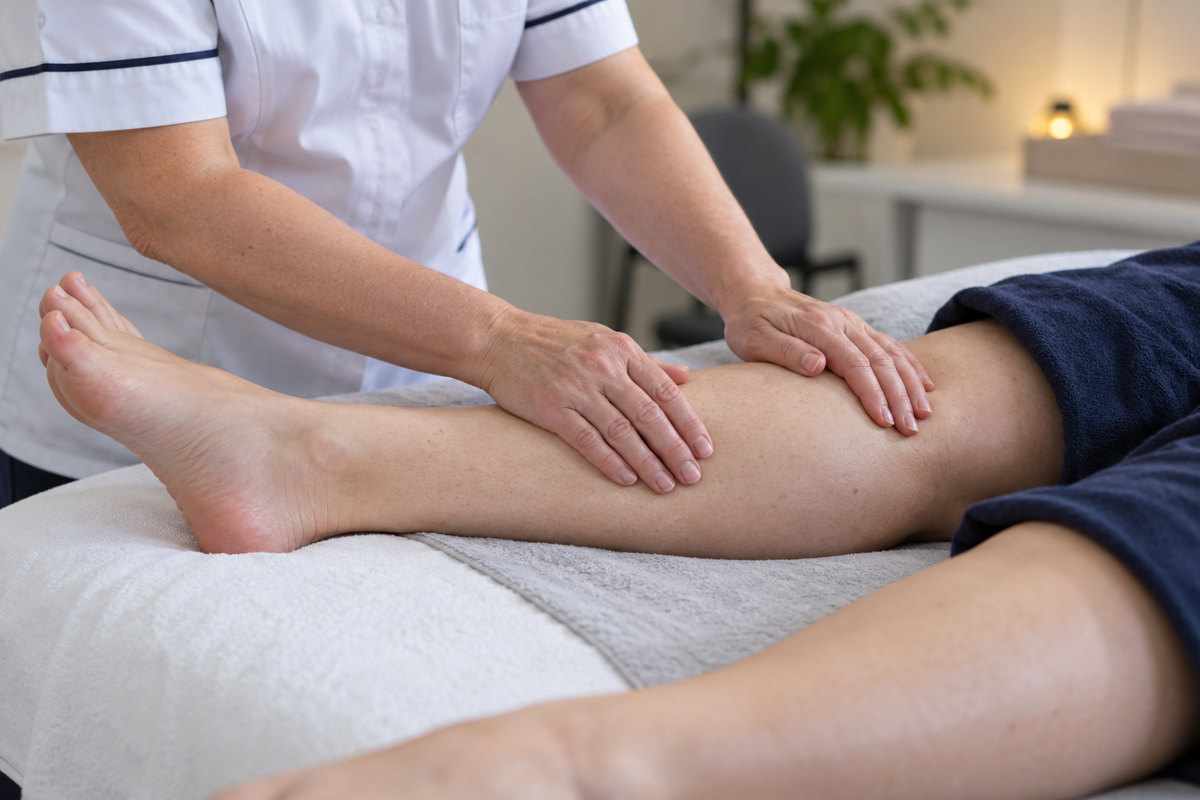
Manual lymphatic drainage (MLD) is a gentle technique provided by a trained therapist. They may teach you simpler self-massage, called simple lymphatic drainage (SLD).
For safety: MLD is a specialist treatment, and SLD should be taught for the individual area and circumstances.
The best combination varies from person to person. Follow advice from your lymphoedema team about compression, activity and massage. Read the NHS guide to lymphoedema treatment.
Further information
For broader information about lymphoedema, its symptoms, management and available support, these independent sources may also be helpful.
The current LymphAware ID information resources are being loaded.